
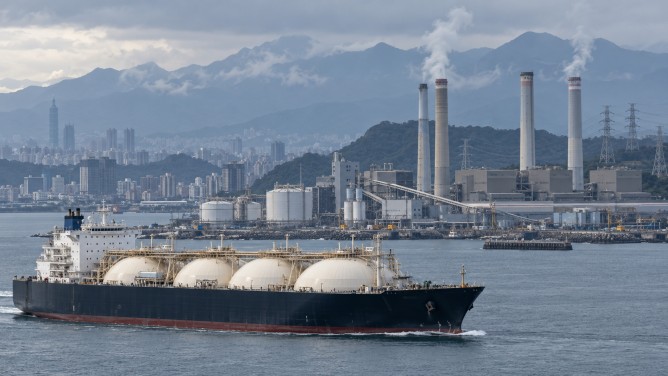
Taiwan’s state-owned electricity utility, Taiwan Power Co (Taipower), is bracing for a significant hike in fuel costs due to ongoing tensions in the Middle East. The company anticipates an increase of more than NT$160 billion (around US$4.92 billion) in its fuel expenses this year if natural gas prices remain high.
Since the conflict involving the United States, Israel, and Iran began in late February, natural gas prices for the power sector have surged by over 70%. This has already added approximately NT$71.1 billion to Taipower’s fuel expenses between March and August. The utility warns that these rising costs could further inflate its accumulated losses by an additional NT$70 billion by year-end, potentially bringing total losses to about NT$420 billion.
Taipower attributes its financial strain to the high cost of fuel imports, electricity rates that fall below operating costs, and the burden of interest payments on significant infrastructure-related borrowing. The company’s outstanding borrowing for infrastructure projects is around NT$1.85 trillion, with annual interest expenses projected to reach NT$30 billion.
In response to its growing financial challenges, Taipower is seeking government assistance through a proposed NT$71.1 billion supplemental budget, which is currently under legislative review. Despite the financial pressures, electricity rates have not been adjusted since September of the previous year, when a modest 0.71% increase was implemented. The government has resisted raising rates further, partly to prevent exacerbating consumer price pressures.
Amid these developments, Taipower has proposed a substantial 12.83% increase in electricity rates, citing the escalating fuel costs and the need to alleviate financial stress. The government is set to review electricity pricing again in December.
This situation underscores the broader impact of geopolitical tensions in the Middle East on global energy markets and highlights the challenges faced by Taiwan in balancing stable electricity prices with rising energy import costs.