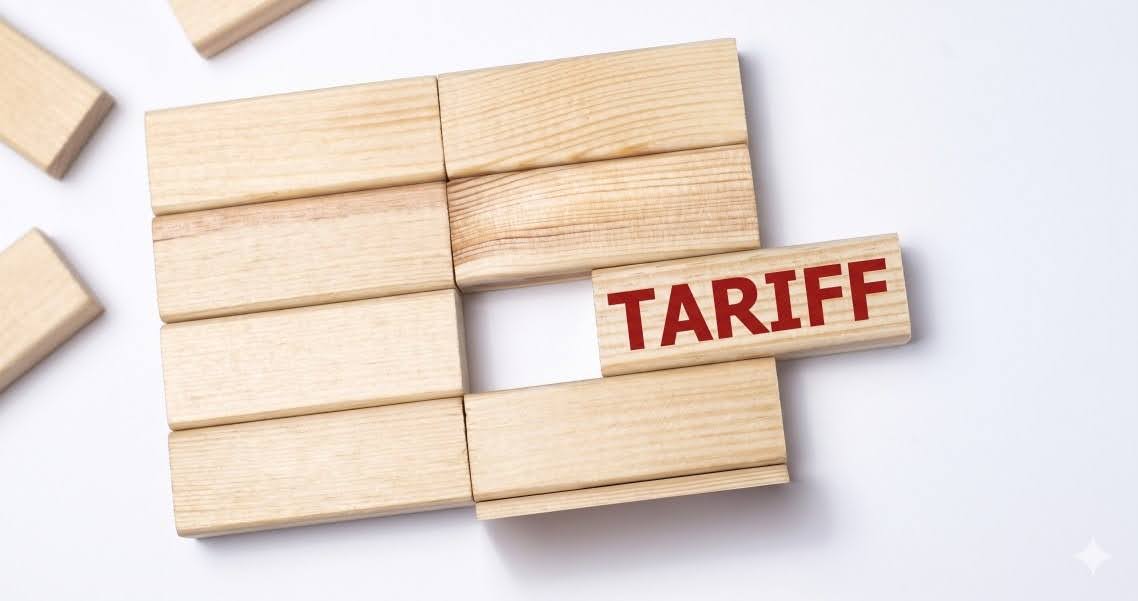
The United States has identified Taiwan as one of 60 economies failing to adequately enforce bans on imports produced with forced labor. This has led US trade officials to propose an additional 10% tariff on Taiwan and several other countries. The findings came from a review conducted under Section 301 of US trade law, which permits actions against practices viewed as detrimental to American commerce. The US administration contends that inadequate enforcement of forced labor import bans results in unfair trade conditions, placing an undue burden on US businesses.
Taiwan is categorized among economies that have pledged to restrict imports produced through forced labor via trade agreements but have yet to fully implement these commitments into domestic legislation. This group also includes Bangladesh, Cambodia, Indonesia, and Malaysia. The report highlights that while Taiwan has made progress towards fulfilling its commitments, it still lacks a comprehensive legal framework prohibiting the importation of goods made with forced labor.
The imposition of the proposed tariffs is not final. Taiwan will have the chance to contest the findings during a hearing scheduled for July 7, with a final decision anticipated later in the month. The process allows Taiwan to present its case and potentially influence the outcome regarding the tariffs.
In response, Taiwan’s government expressed confidence that ongoing trade negotiations with the United States could preserve favorable trading conditions. They also noted that any new tariff measures would not be implemented immediately, suggesting room for diplomatic maneuvering and resolution before any tariffs take effect. The situation underscores the complex nature of international trade relations and the challenges of aligning domestic laws with international commitments.
Picture Credit: AI-generated