
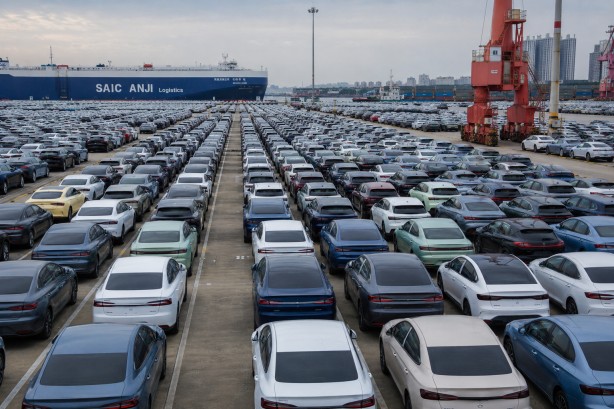
China’s ascension as the leading market for electric vehicles (EVs) has significantly impacted the global automotive landscape, driving the growth of influential companies. This rapid expansion, fueled over the past decade by government incentives, local investment, and robust consumer demand, has positioned China as a powerhouse in battery technology and clean transportation. Yet, this aggressive push has also stirred concerns about the potential for overproduction and mounting competition within the sector.
The rapid pace at which China has expanded its EV market has, in some instances, surpassed actual demand. Many automakers have established factories with production capacities exceeding current market needs, resulting in price wars and financial strain across the industry. This intense competition has forced manufacturers to slash prices to attract customers and increase market share, a strategy that has proven challenging for smaller companies. Meanwhile, larger automakers are pouring resources into technology advancements, production capabilities, and international expansion to maintain their competitive edge.
Recently, Chinese officials have voiced apprehension about the risk of overcapacity, cautioning that unbridled growth could pose economic threats. Industry experts suggest that the key challenge moving forward will be to strike a balance between fostering innovation and competition, and ensuring sustainable growth over the long term. The focus is shifting toward managing this growth in a way that supports the industry’s continued success without destabilizing it.
Despite these challenges, China’s position as a global leader in the electric vehicle sector remains unshaken. Chinese manufacturers continue to expand their reach into international markets, playing a pivotal role in shaping the future of transportation worldwide. As the industry navigates these complexities, China’s influence on the global stage underscores the transformative impact of its ambitious EV strategy.