
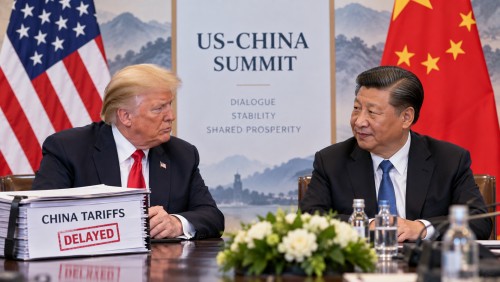
The anticipated delay in the United States announcing new tariffs on China may provide a window for negotiation, potentially easing tensions in the ongoing trade dispute. By postponing the decision until after the upcoming meeting between US President Donald Trump and Chinese President Xi Jinping, Washington retains the leverage of additional tariffs during discussions.
Initially, the US had planned to introduce a 7.5% tariff on Chinese goods, which would elevate the overall tariff rate to approximately 20% on imports from China. This proposal, stemming from a trade report on China’s excess industrial capacity, could have significant ramifications for both economies. However, the delay in implementing these duties allows for the possibility of reaching agreements that could maintain the fragile trade truce between the two nations.
As part of the preparations for the summit, negotiators from the US and China will engage in talks to explore potential resolutions. Xi Jinping’s trip to the United States, his first since 2023, underscores the importance of these discussions in shaping future economic relations. The potential for increased tariffs remains a critical issue, with China warning of possible retaliation if tariffs exceed current truce levels.
The Trump administration’s broader strategy includes investigations into excess production capacity in more than a dozen major trading partners under Section 301 of the Trade Act of 1974. This move could lead to additional tariffs that might exacerbate trade pressures not only with China but with other countries as well.
Chinese officials have consistently argued against using excess capacity concerns as a pretext for protectionist measures. As both governments seek to solidify trade commitments before the leaders’ summit, the delay in imposing new tariffs could either pave the way for a diplomatic breakthrough or escalate into further disputes depending on the outcomes of the negotiations.