
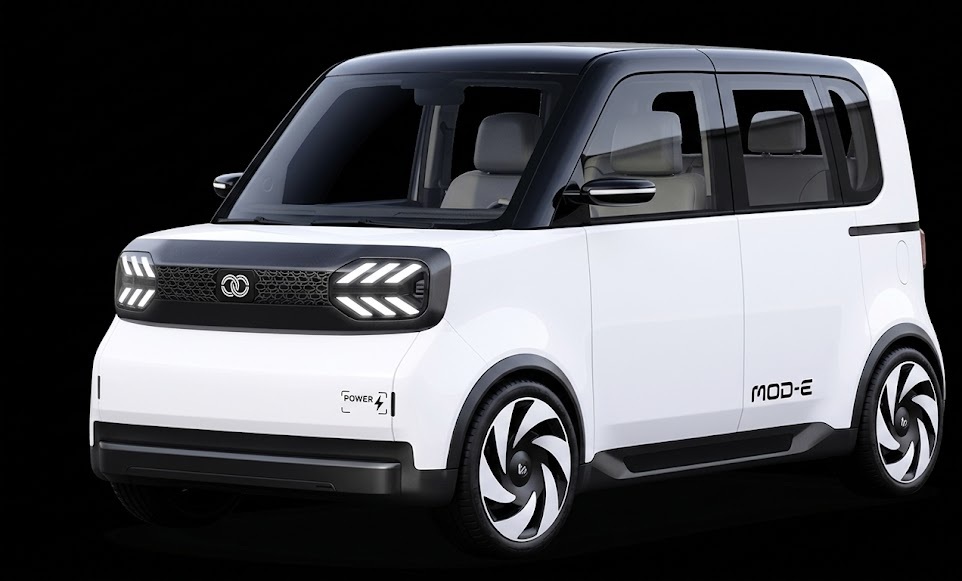
In a significant move for the Japanese automotive landscape, a new electric vehicle brand named EMTA has been introduced through a collaboration involving Japanese companies and the Chinese automaker Chery Automobile. This venture is aimed at the Japanese market, with the debut model, a compact electric kei car, expected to hit the roads in 2027. The announcement was made by Yokohama-based EMT Co., which has partnered with several firms, including Autobacs Seven and Anest Iwata, alongside Chery Automobile and a battery manufacturer.
The EMTA brand marks a strategic entry into Japan’s vital kei car segment, which represents over a third of new vehicle sales in the country. Kei cars, known for their compact size and efficiency in short-distance travel, present a promising market for electric mobility solutions. Recognizing this, the planned kei EV will be designed and manufactured in China but tailored for the Japanese market with advanced digital features such as wireless software updates, smartphone connectivity, and automated driving support.
EMT Co. is considering utilizing selected Autobacs retail locations as sales points for its vehicles, reflecting a keen strategy to leverage existing networks. The company has set its sights on launching three more electric vehicle models by 2029, with aspirations to eventually establish manufacturing operations within Japan and explore international market opportunities.
The introduction of the EMTA brand comes amid a growing surge in Japan’s kei EV market, where competition is heating up. Chinese automaker BYD is poised to introduce its Racco kei EV tailored for Japan, while Nissan Motor has expanded its Sakura model line with a more affordable version. Additionally, Suzuki Motor plans to unveil a kei EV within the current fiscal year, and Honda Motor is developing an electric version of its popular N-Box model, anticipating a 2028 release.
The expanding roster of entrants underscores a burgeoning momentum in the small electric vehicle sector in Japan, as automakers vie to capture the interest of urban drivers who are mindful of costs and environmental impact. This wave of innovation and competition highlights the dynamic shift towards sustainable and efficient transportation solutions in one of the world’s leading automotive markets.