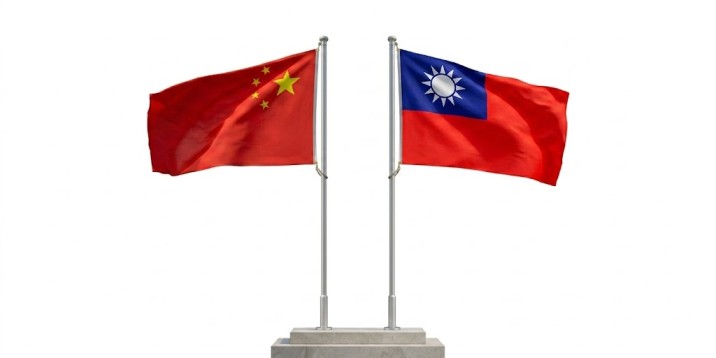
The United States is planning to implement retroactive tariff relief for Taiwan’s non-semiconductor products under Section 232 measures. This decision follows two months of negotiations between Taipei and Washington, as outlined in a bilateral investment memorandum of understanding, with the new tariff terms expected to be enforced from May 1.
Under the agreement, tariffs on items such as auto parts, logs, lumber, and wood derivative products will be limited to a maximum of 15 percent. Additionally, aircraft components made from steel, aluminum, and copper derivatives are set to receive exemptions from Section 232 tariffs. These concessions aim to enhance the international competitiveness of Taiwanese industries and broaden their market reach in the United States.
The arrangement, finalized earlier this year, encompasses three significant tariff provisions: a 15 percent reciprocal tariff rate for Taiwan without extra most-favored nation charges, preferential treatment for semiconductor-related goods, and favorable terms for non-semiconductor products currently subject to Section 232 tariffs.
Taiwanese authorities have highlighted that the U.S. has not imposed Section 232 tariffs on semiconductor exports and related products from Taiwan. In the meantime, Taipei is actively engaging with the U.S. Department of Commerce to expedite the implementation process for the new tariff concessions applicable to non-semiconductor sectors.