
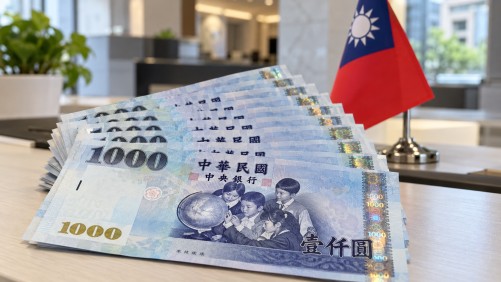
Taiwan is set to distribute a one-time cash payment of NT$10,000 (approximately US$315) to eligible residents starting January 26, 2027, as part of a government initiative to share the economic benefits from the growth of the artificial intelligence industry. This plan hinges on the approval of the proposed 2027 central government budget by the legislature and subsequent promulgation by the president.
The Taiwanese Cabinet has earmarked NT$235.7 billion for this initiative, emphasizing that the expenditure will adhere to fiscal discipline and legal procedures without incurring additional debt. Eligible recipients include Taiwanese citizens with household registration, foreign nationals with permanent residency, certain residents with valid residence permits, and eligible spouses of Taiwanese citizens from China, Hong Kong, Macau, and other countries. The scheme also extends to Taiwanese government employees serving overseas and their eligible dependents.
To facilitate the distribution, the government has outlined five payment methods: bank-account registration, ATM withdrawals, post office withdrawals, direct deposits, and roster-based payments. A total of 17 financial institutions are anticipated to participate in the ATM withdrawal network, ensuring accessibility for recipients.
The timeline for the rollout is contingent on legislative and presidential actions. If the budget is approved by January 5, and promulgated by January 20, pre-registration could commence on January 20, with bank deposit registrations beginning January 25. Payments through pre-registration, direct deposits, and roster-based methods are expected to start on January 26. ATM withdrawals will be available from February 15, 2027, and post office withdrawals are slated to begin on February 22.
Eligible recipients must claim their payments by August 31, 2027. However, newborns born by the end of 2027 will have until January 31, 2028, to receive the payment, ensuring that the benefits of Taiwan’s economic growth are shared widely among its residents.