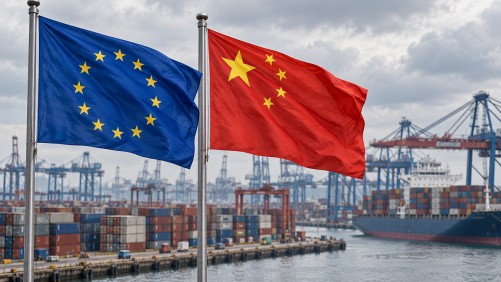
The European Union is facing significant backlash over a proposed trade instrument aimed at China, which could escalate economic tensions and disrupt global supply chains. Modeled after the United States’ Section 301, the measure is primarily seen by experts as a tool for gaining negotiation leverage rather than a substantial policy shift.
China’s Ministry of Commerce has expressed strong opposition to the proposal, cautioning that unilateral trade restrictions could harm China-EU trade relations. The ministry emphasized the importance of adhering to international trade rules and resolving differences through dialogue and consultation. It warned that added pressure on Chinese companies or products might damage bilateral economic cooperation.
Ongoing discussions between China and the EU are being conducted through established trade and investment channels to address mutual concerns. Beijing has highlighted that introducing discriminatory restrictions during these negotiations could undermine mutual trust and complicate further consultations.
Experts argue that while the EU seeks greater leverage in its trade negotiations with China, implementing broad restrictions could provoke retaliatory actions and lead to increased economic risks on both sides. The proposed trade measure is viewed as a strategic maneuver rather than a drastic policy shift.
China has signaled its intent to closely monitor the situation and take steps to protect its domestic industries if it perceives any discriminatory actions targeting its businesses or products. The potential for retaliatory measures underscores the delicate balance of maintaining stable economic relations between the two major trading partners.