
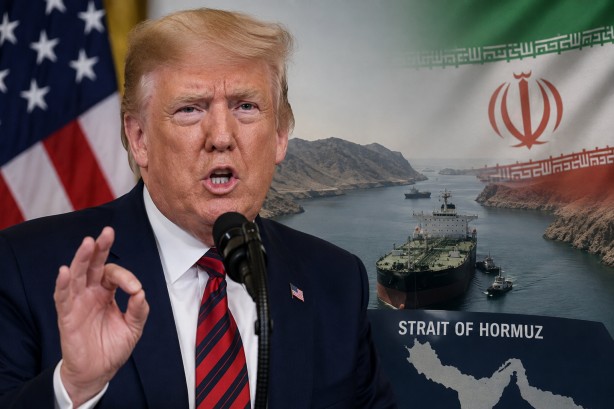
In a recent development in Middle Eastern geopolitics, Iran has issued a stern warning to Gulf nations, stating that any new military strike by the United States on Iranian soil would prompt retaliatory attacks on vital energy infrastructure across the Gulf region. This warning comes amidst heightened tensions following remarks from US President Donald Trump, who threatened to target Iran’s energy infrastructure. Iranian Foreign Minister Abbas Araqchi has been actively engaging in discussions with high-ranking officials from Saudi Arabia, Qatar, Turkey, and Pakistan, urging these countries to convince Washington to refrain from further military actions.
During these diplomatic conversations, Iran emphasized that an assault on its territory would be reciprocated with strikes on US assets and crucial energy installations in the region. While Iran maintains that diplomacy is its preferred course, it has made it clear that it is ready to respond if attacked. The message underscores the potential for significant disruption to Gulf energy supplies, sparking concerns about increased regional instability.
Saudi Arabia, a key player in the region, has reportedly advised the United States to focus on negotiations and avoid actions that could escalate the conflict. Despite this call for diplomacy, Saudi Arabia has also assured that it will protect its territory against any aggression, illustrating the delicate balance of power and the stakes involved in this volatile situation.
The Iranian warning includes potential targets such as oil facilities, refineries, power grids, water infrastructure, transport networks, and oil fields, should there be another strike from the US. This scenario raises fears of renewed hostilities that could pose a significant threat to global energy markets, given the Gulf’s critical role in global energy supply.
Regional leaders continue to advocate for diplomatic solutions to avert a broader conflict that could have dire consequences for international energy markets. The ongoing efforts to mediate highlight the critical importance of maintaining stability in a region that is central to the world’s energy needs.