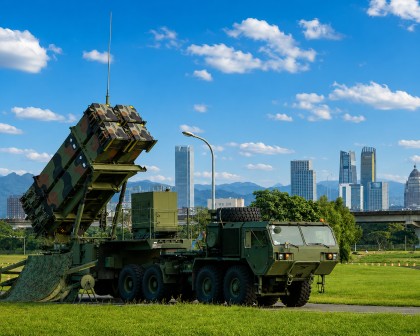
Acting Navy Secretary Hung Cao announced a temporary halt to arms sales to Taiwan, a move aimed at ensuring that sufficient military resources are available for ongoing operations related to the conflict involving Iran. Speaking at a congressional hearing, Cao explained that the decision to pause these sales is to preserve munitions necessary for U.S. military endeavors, noting that foreign military sales will resume once the administration deems it suitable.
This suspension impacts a significant weapons package for Taiwan, which has reportedly been pending approval for several months. U.S. officials have indicated that the ultimate decision on resuming sales will rest with senior administration figures, including Secretary of State Marco Rubio and Defense Secretary Pete Hegseth. Despite the pause, the Taiwan Relations Act mandates that the U.S. continues to provide Taiwan with defensive military equipment.
Taiwan’s presidential office reported that it has not received official notification regarding changes to the proposed arms deal. Nevertheless, the situation has stirred apprehension in Taipei, especially in light of recent discussions between U.S. President Donald Trump and Chinese President Xi Jinping, where Taiwan was allegedly a focal point. President Trump’s remarks have further fueled uncertainty about the future of U.S. support for Taiwan, as he described the weapons packages as a potential “negotiating chip” in talks with China, leaving the decision on pending sales open-ended.
China maintains a firm stance against U.S. arms sales to Taiwan, viewing the island as an integral part of its territory. Beijing has consistently cautioned against foreign backing for Taiwan and has not dismissed the possibility of using force. This ongoing geopolitical tension underscores the complexity surrounding U.S.-Taiwan arms deals and the broader implications for international relations in the region.