
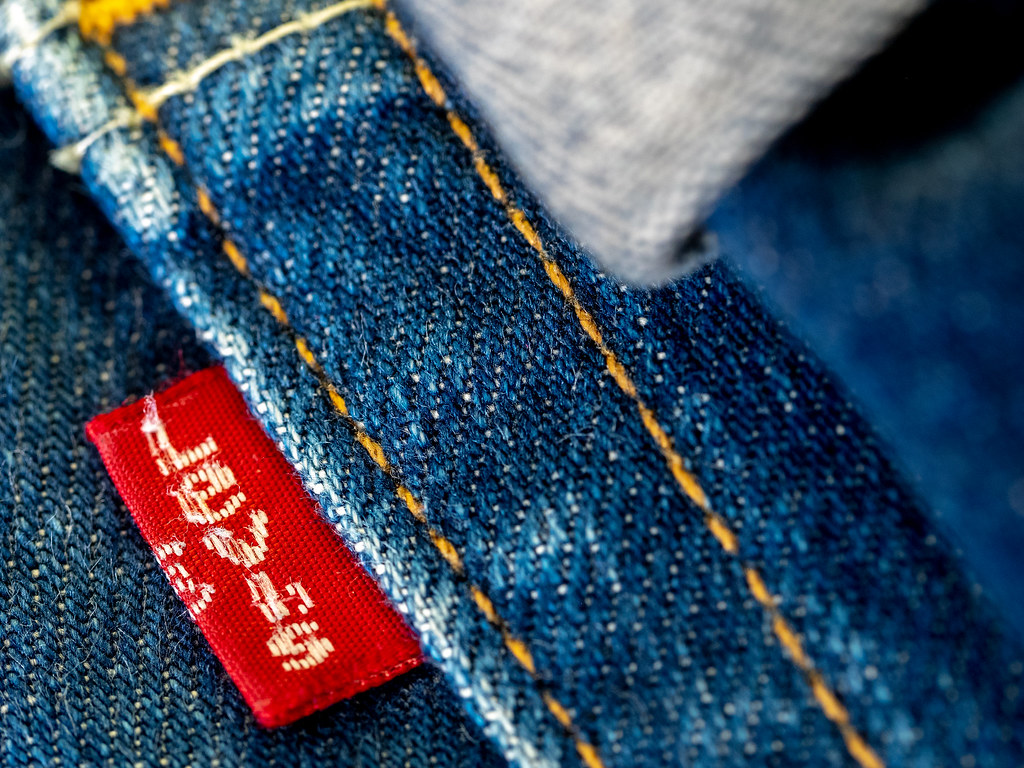
Levi’s has explicitly linked its future UK sales prospects to the geopolitical landscape, warning that policies from the Trump administration could create a hostile environment for American brands. In its official UK accounts, the denim company cited “rising anti-Americanism” as a key risk that could see shoppers favouring European labels.
The company’s current financial standing is strong, with sales climbing 8.8% to £96.8 million and profits up 23%. Despite this success, the forward-looking statement highlights a growing corporate awareness that a brand’s country of origin can become a significant factor in consumer choice, depending on the political climate.
This trend is seemingly already in motion for some US companies. Electric car maker Tesla experienced a severe drop in UK sales in July, with its market share nearly halving. In Canada, consumer movements to boycott American products have become more organised, with shoppers using apps to check barcodes for US parent companies before making a purchase.
At the heart of the issue are the Trump administration’s “liberation day” tariffs, which have disrupted global trade and strained international relations. The legality of these measures is now under serious challenge, with a recent federal appeals court ruling them largely unlawful. This sets the stage for a potential Supreme Court decision on the scope of presidential trade authority.