
Cornwall’s rugged landscape conceals one of Britain’s most remarkable astronomical achievements. Across the Land’s End peninsula, prehistoric communities constructed an integrated system of monuments designed to track the sun’s annual journey. These weren’t isolated structures but components of a coordinated landscape-scale calendar that helped ancient peoples navigate the critical transition from autumn darkness into winter’s depths.
The geological foundation for this astronomical landscape lies in the peninsula’s granite backbone. This natural rock formation extends southwest, aligned with the direction of winter solstice sunset. Carolyn Kennett’s archaeoastronomy research reveals how Neolithic builders recognized this alignment’s significance and deliberately positioned ceremonial structures to enhance and commemorate solar observations during the year’s shortest day.
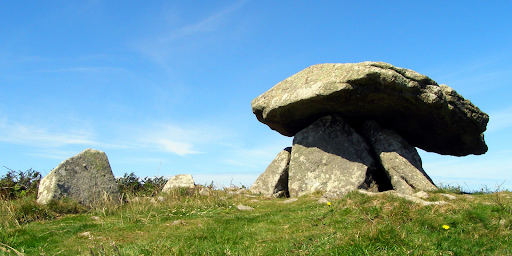
Chûn Quoit exemplifies this sophisticated approach to monument design. The Neolithic burial chamber occupies a moorland position ensuring winter solstice observers witness the sun setting precisely over Carn Kenidjack’s distinctive profile. Such precision required generations of careful observation and suggests astronomical knowledge held profound cultural significance for these ancient communities.
The Tregeseal stone circle provides another perspective on prehistoric astronomical practice. Its position frames views of the Isles of Scilly, which appear and disappear based on weather conditions. This flickering quality may have reinforced beliefs about the western horizon as a gateway between worlds, with the winter solstice representing a moment when boundaries became permeable and the dead might communicate with the living.
Enigmatic structures like the Kenidjack holed stones continue challenging archaeological interpretation. Their unique design—small holes positioned low to the ground—suggests specialized functions possibly related to tracking sunlight patterns through autumn. Modern engagement with this heritage includes research expeditions, artistic documentation, and community festivals that revive traditional customs. The Montol celebration in Penzance transforms the town into a scene of masked dancers, flaming torches, and ritual sun burning, maintaining Cornwall’s distinctive approach to honoring winter’s darkest moment and celebrating the promise of returning light.