
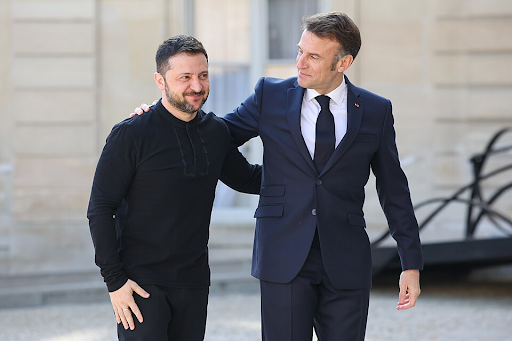
Ukrainian President Volodymyr Zelensky praised France’s SAMP/T as “one of the greatest” air defense systems in the world during a visit to Paris, where he confirmed Kyiv will receive eight of the advanced interceptor batteries. This acquisition is a key component of a massive new 10-year defense pact between the two nations, which also includes a preliminary deal for 100 Rafale fighter jets, radars, and drones. The focus on high-end air defense highlights Kyiv’s desperate need to stop Russia’s missile and glide bomb attacks.
The “historical” letter of intent was signed by Zelensky as Russia continues to escalate its air war, killing civilians and causing rolling blackouts with relentless strikes. Zelensky has repeatedly said that acquiring more air-defenses, including ground-based systems like the SAMP/T and the US-made Patriot, is his government’s number one priority to protect the Ukrainian people and the nation’s critical infrastructure.
While the 100 Dassault-made Rafale jets are the centerpiece of the agreement, the inclusion of the SAMP/T systems provides a more immediate answer to Russia’s current tactics. These systems can intercept a wide array of aerial threats, including ballistic and cruise missiles, offering a vital shield for Ukrainian cities. The pact also includes plans for joint Franco-Ukrainian production of interceptor drones, further bolstering Ukraine’s defensive capabilities.
The delivery of the Rafale jets themselves is a longer-term project. A person familiar with the sensitive plans noted that the timeline for the first aircraft will depend on how quickly Ukrainian pilots can be trained and the necessary support infrastructure can be built. This underscores the 10-year agreement’s nature as a foundational, long-term security commitment.
This major deal is being financed by European partners, a crucial development after the Trump administration halted US support. The French presidency confirmed funding will draw from the EU’s €150 billion SAFE loan fund, and Zelensky stated Kyiv would also use a G7-backed mechanism to deploy future revenues generated by immobilized Russian assets to pay for the new hardware.