
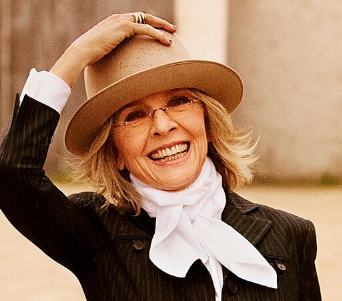
The death of Diane Keaton at 79 has cast a light on the hidden pressures and personal costs that can accompany a life in the spotlight. While celebrated for her iconic roles, Keaton also faced grueling, private battles with her health, speaking openly about her struggles with bulimia, which was triggered by industry demands, and her recurrent fight with skin cancer.
Keaton’s journey with bulimia began early in her career when a professional expectation to be thinner pushed her into a destructive cycle. She later described this period with raw honesty, calling herself an “addict in recovery.” The actress revealed the shocking extent of her illness, consuming up to 20,000 calories in a day—a testament to the psychological torment she endured away from the public eye.
This internal battle was compounded by a very physical one. At 21, Keaton was diagnosed with skin cancer, a disease that would follow her for life. Her famous hats were a direct result of this diagnosis, a practical defense against the sun. She spoke of a family history that made her vulnerable, turning her personal health issue into a subtle but constant public service announcement on sun safety.
The fight against skin cancer required ongoing medical attention, including two surgeries for squamous cell cancer. Her admissions of regret for not using sunblock in her youth served as a powerful, relatable warning to her fans and the public at large, demonstrating the long-term repercussions of early life choices.
Ultimately, Keaton found her way to recovery through therapy and built a fulfilling personal life, becoming a mother to two children in her 50s. By choosing to share her story, she shed light on the unseen struggles behind a glamorous facade, offering a powerful narrative of survival and the courage it takes to heal.