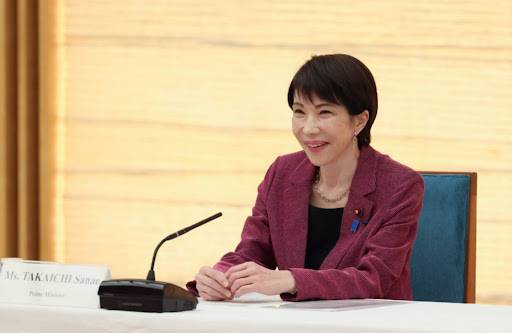
Japan has launched its largest-ever strategic oil reserve release, with Prime Minister Sanae Takaichi confirming the move this week as tensions in the Middle East continue to threaten global energy supplies. The decision comes as the ongoing US-Israel war on Iran has raised serious concerns about tanker traffic through the Strait of Hormuz. Tokyo is releasing approximately 80 million barrels of stockpiled crude oil to domestic refiners. This massive release is equivalent to 45 days of Japan’s total domestic oil demand.
Japan relies on the Middle East for over 90% of its crude oil imports, making it one of the most vulnerable major economies to supply disruptions in the region. The country’s dependence on the Strait of Hormuz as a critical shipping lane has placed it in a precarious position. Without a steady flow of oil through that waterway, Japan’s industrial and consumer economy could face significant strain. This vulnerability has long shaped Tokyo’s foreign and energy policy priorities.
The government has simultaneously approved the release of 15 days’ worth of private-sector reserves, adding to the state-owned supply now being made available. Takaichi announced the start of state reserve releases via a post on social media platform X. The total volume being released is 1.8 times what was made available following the devastating 2011 Fukushima nuclear disaster. Japan currently holds reserves of around 470 million barrels, covering roughly 254 days of consumption.
To further cushion consumers, the government has introduced fuel subsidies capping gasoline prices at approximately ¥170 per litre. This comes after pump prices hit a record high of ¥190.8 per litre. The subsidy will be reviewed on a weekly basis depending on global oil price movements. Such measures reflect Tokyo’s determination to shield its citizens from the full impact of the global energy shock.
Despite these reassurances, social media panic has led to hoarding of household goods, including toilet paper. Officials from the trade ministry have urged the public to make calm, rational purchasing decisions. Industry bodies confirmed that 97% of Japan’s toilet paper is made domestically from recycled materials and is not dependent on Middle Eastern imports. The government remains focused on maintaining both energy stability and public confidence during this difficult period.