
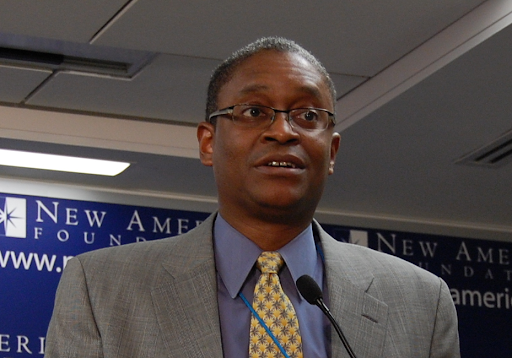
The Federal Reserve system is set to lose another senior leader, as Atlanta Fed President Raphael W. Bostic has announced his retirement effective in February. This move creates a new vacancy on the Federal Open Market Committee (FOMC), the central bank’s powerful policy-setting arm, at a time of heightened political scrutiny.
Bostic’s departure comes on the heels of other leadership changes, including the August resignation of Fed Governor Adriana Kugler. Following her exit, President Trump appointed Stephen Miran, one of his key advisers, to the board on an interim basis. This larger trend has raised alarms about the erosion of the Fed’s traditional independence from the executive branch.
President Trump has been waging a public campaign against the Fed, demanding lower interest rates and criticizing its officials. Bostic’s decision to step down, though reportedly personal, occurs against this turbulent backdrop. At 59, Bostic could have remained in his post for six more years.
A nationwide search will be launched to find the next president of the Atlanta Fed. Crucially, this search will be conducted by the Atlanta Fed itself, not by President Trump. This structure is a key feature designed to insulate the regional banks from a president’s direct influence, unlike the board of governors, who are presidentially appointed.
Bostic was a trailblazer, the first African American and openly gay president of a regional Fed bank. He was praised by Fed Chair Jerome Powell as a “steady voice” who “exemplified the best of public service.” Bostic himself said he was proud of his work toward “an economy that works for everyone.”