
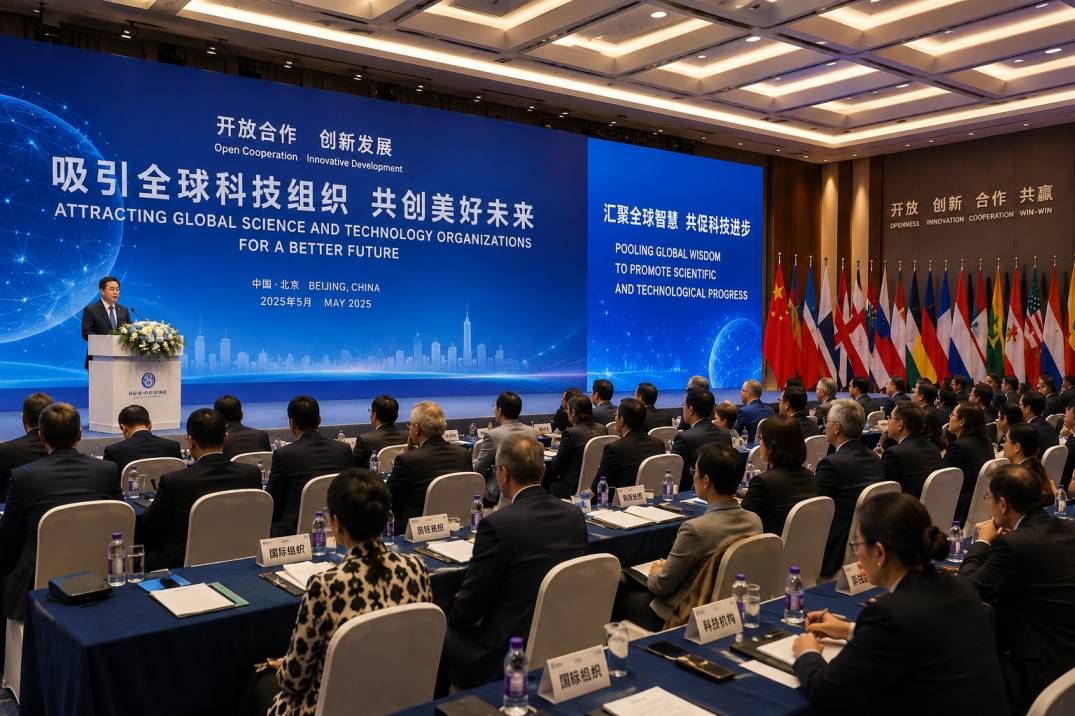
China is intensifying its efforts to become a hub for international science and technology organizations by expanding its research facilities and enhancing policy support for global collaboration. This initiative includes the development of new service centers, exhibition areas, meeting rooms, and cross-border workspaces designed to accommodate a growing number of international institutions.
Recently, several global scientific organizations have set up headquarters or permanent offices in China, focusing on diverse fields such as aerospace, sensing technology, and environmental research. Experts attribute this trend to China’s robust research infrastructure, extensive industrial supply chains, and the availability of large-scale scientific data, which collectively make it an appealing destination for international collaboration.
To further support this strategy, China has introduced a variety of incentives at both national and regional levels. These include financial rewards, improved access to cross-border data, enhanced internet connectivity, and streamlined entry procedures for international researchers. Officials are optimistic that these measures will bolster global scientific cooperation and foster a more inclusive approach to science governance on the international stage.
The initiative reflects China’s broader ambition to solidify its position as a leader in global scientific and technological innovation. By facilitating easier access and cooperation, China aims to attract a wider array of international talent and expertise, thus enriching its own scientific endeavors while contributing to global advancements in various fields.