
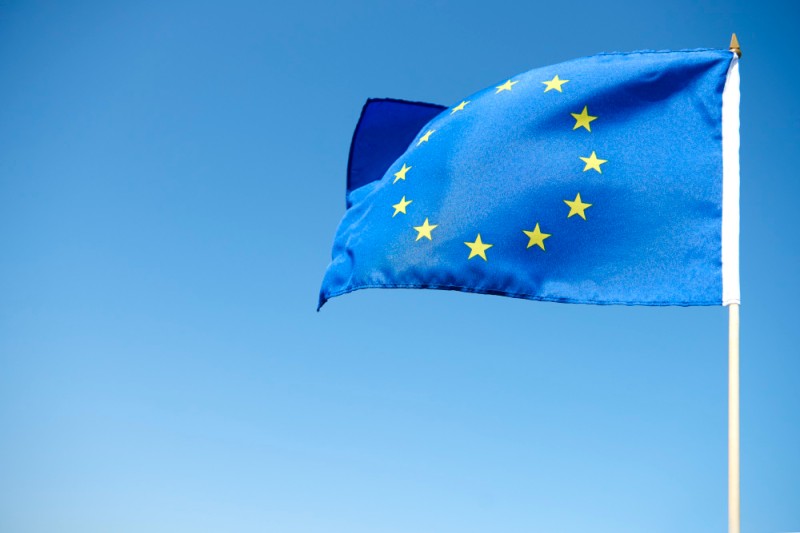
The European Union is intensifying its strategies to diversify supply chains and lessen its economic reliance on China amidst rising concerns about trade imbalances and access to essential resources. European Commission President Ursula von der Leyen announced that the EU is preparing legislation aimed at encouraging companies to seek alternative sources for key supplies. This initiative arises from concerns that businesses are not moving quickly enough to mitigate risks associated with dependence on a single market.
This issue has become more pressing after China implemented export restrictions on specific critical minerals, exposing vulnerabilities within global supply chains. EU officials argue that a broader diversification of supply sources is crucial to enhancing economic resilience and safeguarding strategic industries. The EU is also engaging in discussions with major trade partners to address global economic imbalances and is considering whether additional trade measures may be necessary. Officials have highlighted the significant trade deficit the EU has with China, which intensifies the call for a more balanced economic relationship.
European leaders are emphasizing the importance of reducing strategic dependencies as a priority, given the shifting landscape of global trade and the growing geopolitical uncertainties. While maintaining engagement with China is still seen as important, the EU is keen on ensuring that its economic interests are not overly exposed to risks associated with a single market.
The EU’s focus on legislative measures to diversify supply options reflects a broader commitment to fortifying its economic infrastructure against external shocks. By promoting a more varied supply chain, the EU aims to bolster its economic stability and protect industries critical to its strategic interests.