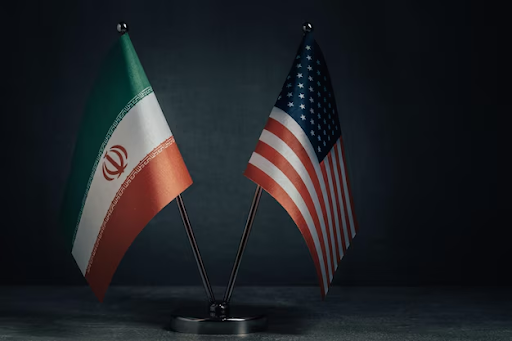
Cautious progress defined the second round of indirect nuclear talks between Iran and the United States in Geneva, as both sides moved incrementally toward a framework that neither has yet committed to accept. Iran’s foreign minister described the session as productive, while the US side remained publicly silent in the immediate aftermath.
Abbas Araghchi said the two delegations had agreed on overarching guiding principles and planned to move toward exchanging written proposals. He did not elaborate on what those principles specifically entailed, but his tone suggested a genuine, if measured, sense of forward movement after weeks of uncertainty about whether talks would even continue.
The discussions were mediated by Oman, which has served as a trusted back-channel between Washington and Tehran for years. The choice of Geneva as a venue, rather than a regional capital, reflected both sides’ preference for a neutral setting during what remains an extremely sensitive diplomatic exercise.
Iran’s core positions remained firm: it would not discuss its ballistic missile capabilities or its relationships with allied armed groups in Yemen, Lebanon, Iraq, or Syria. These so-called “red lines” are not new, but their reiteration at this stage signals that any nuclear deal would be narrowly scoped and would not resolve the broader strategic competition between the two countries.
Domestically, Iran was simultaneously grappling with the political and emotional fallout from recent protests. More than 10,500 demonstrators had been summoned for trial, leading reformists faced new charges, and public mourning ceremonies drew emotional crowds. President Pezeshkian visibly struggled at one ceremony as he looked upon photographs of those killed in the unrest — a haunting image set against the backdrop of delicate international diplomacy.